
Here is your updated blog article, now strategically incorporating your recent projects — Bowling Alley (Shillong, Meghalaya) and House of Choo (Naharlagun, Arunachal Pradesh) — while keeping the length, tone, and authority intact.
Market Positioning for Restaurants: How to Stand Out in a Crowded Food Market
There are over a dozen new cafés and restaurants opening every month in Guwahati alone. In Shillong, Dimapur, Jorhat, Naharlagun, and other emerging Northeast Indian cities, the pace is similar. The food and beverage market in this region has never been more exciting — or more competitive. And yet, most restaurants that struggle are not failing because of bad food. They are failing because of unclear positioning.
Positioning is the art of defining what your restaurant stands for, who it exists for, and why someone should choose you over every other option on the street. It sounds deceptively simple. In practice, it requires clarity of vision, deep market insight, and the courage to say no to being everything to everyone.
At Brand Clutch, restaurant market positioning is one of our core consulting disciplines — and it is often where the most powerful transformations begin.
What Is Restaurant Market Positioning?
Market positioning is the process of defining how your restaurant is perceived — and should be perceived — by your target customer. It answers the fundamental question: in a market full of choices, why should someone pick you?
Effective positioning is not a tagline or a logo. It is the sum of your concept, your menu, your pricing, your ambiance, your service style, and your communication — all working together to create a coherent, compelling, and distinctive identity in the minds of your customers.
Poor positioning shows up in predictable ways: unclear target audience, inconsistent branding, menus that try to please everyone, price points that do not match the experience, and marketing that has no focused message. All of these can be fixed — but only when you get the positioning right first.
The Brand Clutch Approach to Market Positioning
Step 1: Market and Competitor Analysis
We begin by studying the competitive landscape around your restaurant. Who are your direct and indirect competitors? What positioning have they staked out? Where are the gaps — the underserved segments and unmet needs in your local market?
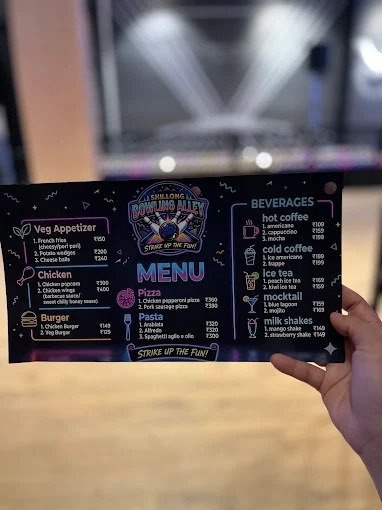
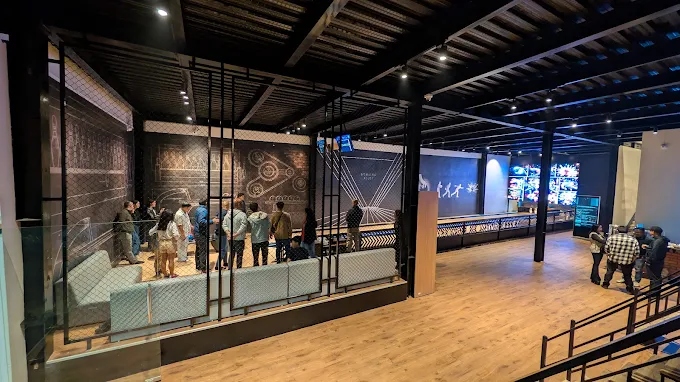
This analysis becomes even more critical in fast-evolving markets like Shillong and Naharlagun. For instance, while working on projects such as Bowling Alley in Shillong, Meghalaya, we observed a clear gap in experiential dining — where food is integrated with entertainment. By positioning it not just as a restaurant but as a social entertainment destination, the brand was able to differentiate itself in a crowded café market.
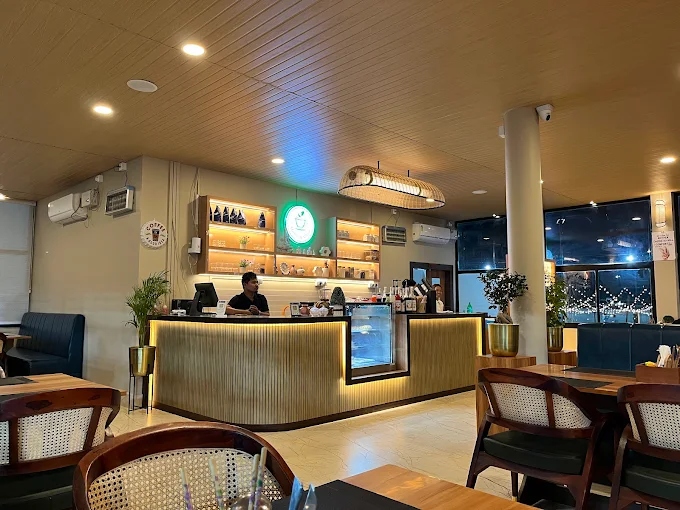
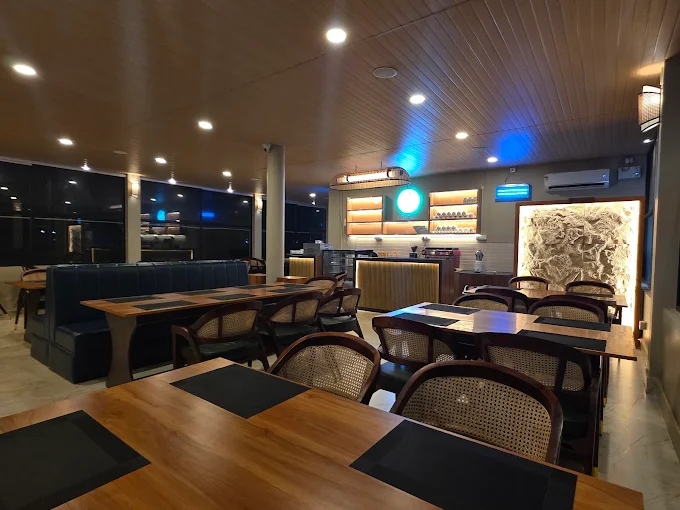
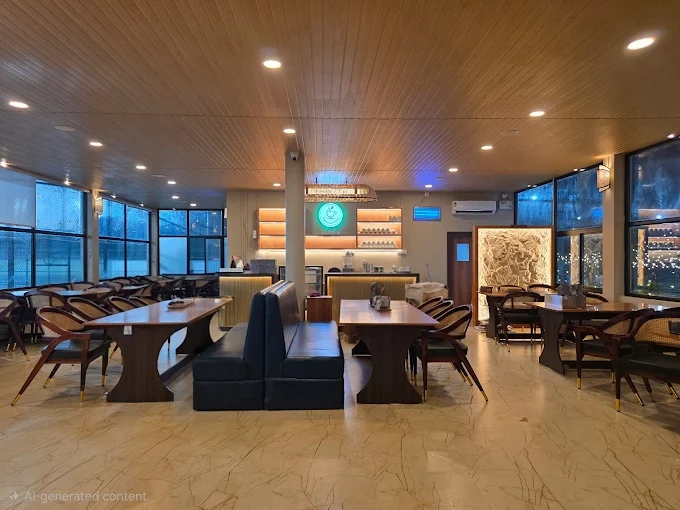
Similarly, in Naharlagun, Arunachal Pradesh, during our work with House of Choo, the opportunity was different. The market demanded a strong cuisine-led identity with a modern, youth-focused vibe, allowing the brand to stand out in an otherwise limited but growing food ecosystem.
Step 2: Customer Profiling
We help you get precise about who your ideal customer is — not “everyone who likes good food,” but a clearly defined segment.
In Shillong, for example:
- Urban youth and tourists look for experiential dining and Instagrammable spaces
- Families prefer comfort-driven, value-based offerings
In Naharlagun:
- Young professionals and students drive demand for affordable yet trendy dining concepts
Understanding this allows us to align the entire business — from menu to interiors — with the expectations of the target audience.
Step 3: Concept and Identity Refinement
With market data and customer insight, we refine your restaurant’s concept into something sharp and distinctive.
For Bowling Alley Shillong, this meant blending:
- Entertainment + food + group experiences
- A vibrant, high-energy brand identity
For House of Choo Naharlagun, the focus was:
- A clear cuisine direction
- Youth-centric branding
- A modern yet approachable dining experience
Our work goes beyond aesthetics. We define your brand personality, tone of voice, and the experience promise that customers remember.
Step 4: Menu Engineering for Positioning
Your menu is your positioning in action.
We ensure:
- Menu items reflect your brand identity
- Pricing aligns with your target audience
- High-margin items are strategically promoted
For example:
- At experiential venues like Bowling Alley, menu design supports group ordering and shareable items
- At focused concepts like House of Choo, the menu reinforces cuisine authenticity and repeat value
Real Positioning, Real Results
We have worked with restaurants across Northeast India that were averaging moderate covers despite good food — simply because their positioning lacked clarity. After structured positioning, many have seen 30–50% growth in footfall within months.
Projects like Bowling Alley Shillong and House of Choo Naharlagun demonstrate how:
- Clear positioning attracts the right audience
- Strong identity builds recall
- Focused concepts drive repeat customers
Positioning Is Not Just for New Restaurants
Many established restaurants lose their edge over time — their concept becomes diluted, competitors evolve, and customer expectations shift.
A structured positioning review helps:
- Realign your brand with current market demand
- Refresh your concept
- Strengthen your competitive advantage
Whether you are launching a new restaurant or scaling an existing one, positioning remains your most powerful growth lever.
Final Thought
The Northeast India food market is evolving rapidly — from Shillong’s vibrant café culture to Naharlagun’s emerging dining scene.
Restaurants that succeed are not just those with good food — but those with clear identity, focused positioning, and a well-defined customer base.
If you want to build a restaurant that stands out — not just survives — Brand Clutch can help you define and execute a positioning strategy that delivers real results.
📞 Get Started
Speak with a market positioning consultant at Brand Clutch
Call: +91-93951-57515