
Your restaurant’s kitchen is where profitability is either created or destroyed. While customers admire your dining area’s ambiance, it’s the invisible choreography happening behind the scenes that determines whether orders arrive promptly or customers leave frustrated. Poor kitchen layout design is one of the most common—and expensive—mistakes new restaurant owners make in Northeast India and beyond.
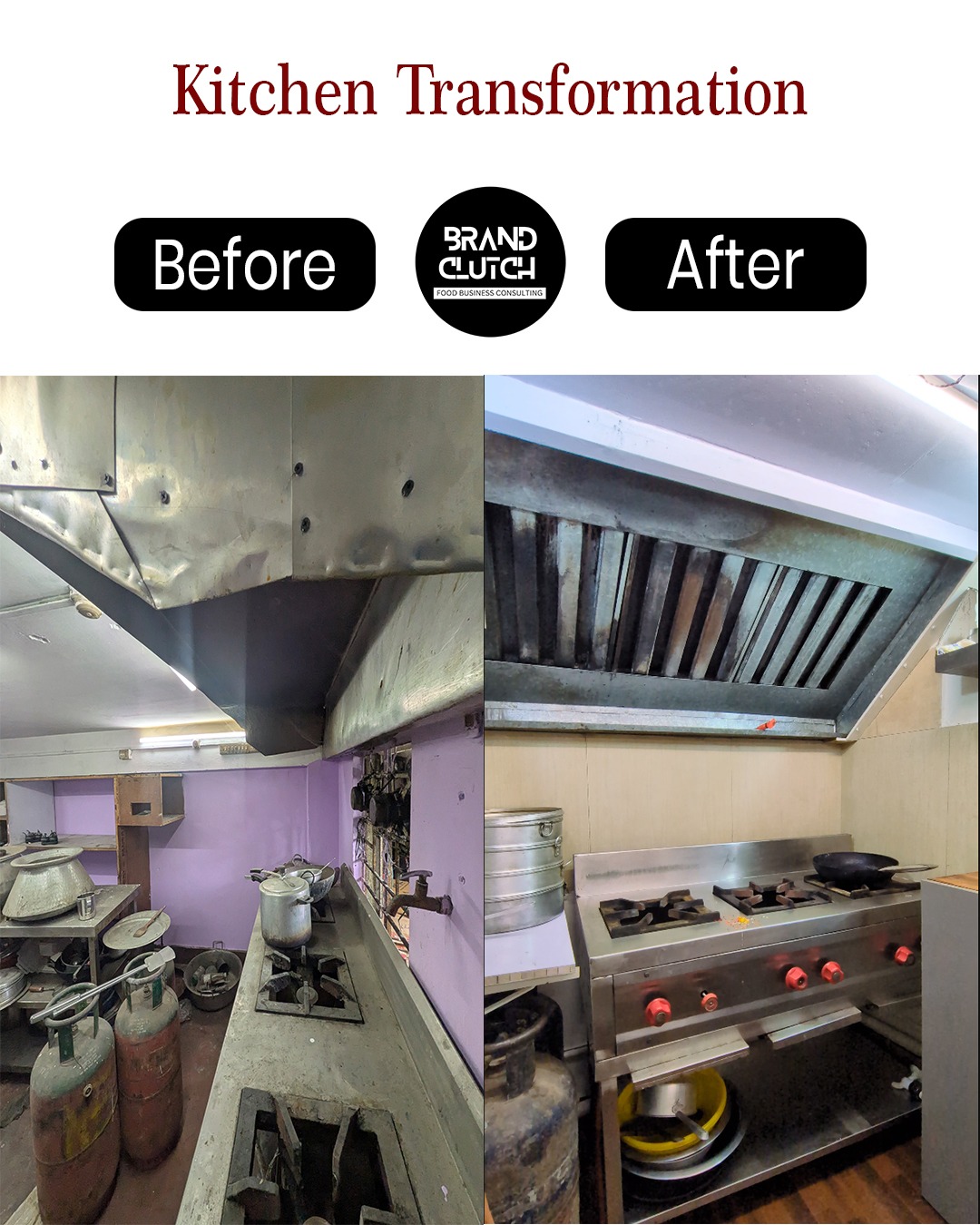
At Brand Clutch, our kitchen design services have helped dozens of restaurants eliminate bottlenecks, reduce staff fatigue, and dramatically improve service speed. Here’s what you need to know about commercial kitchen planning and design to avoid costly workflow mistakes.
The High Cost of Poor Kitchen Design
A poorly planned kitchen doesn’t just slow service—it impacts your entire operation. Long ticket times lead to cold food, frustrated customers, negative reviews, and ultimately, lost revenue. Staff members constantly colliding, reaching across each other, or walking excessive distances create safety hazards and operational chaos.
The worst part? These problems become painfully obvious only after you’ve invested lakhs in equipment installation and begun operations. That’s why expert restaurant consulting services in India should be engaged during the planning phase, not after problems emerge.
Mistake #1: Ignoring the Kitchen Work Triangle
The classic kitchen work triangle—connecting food storage, preparation, and cooking zones—applies to commercial kitchens too. Many new restaurateurs focus on fitting maximum equipment into available space without considering movement patterns.
The Fix: Our commercial kitchen consultancy approach maps staff movements throughout service periods. The preparation station should be equitably distant from both storage (refrigeration, dry goods) and cooking equipment, minimizing wasted steps. For a typical café in Shillong or Guwahati, this can reduce preparation time by 20-30%.
Mistake #2: Undersized Preparation Areas
First-time restaurant owners often allocate too much space to cooking equipment and too little to prep stations. This creates dangerous congestion during peak hours when multiple dishes require simultaneous preparation.
The Fix: Through kitchen layout and equipment optimization, we recommend allocating 40-50% of kitchen space to preparation zones. This includes dedicated stations for cold prep, hot prep, plating, and dishwashing. Adequate prep space is fundamental to achieving restaurant workflow optimization and maintaining food safety standards.
Mistake #3: Illogical Equipment Placement
Placing the deep fryer next to the salad station, or positioning the dishwashing area far from the service line, forces staff into inefficient movement patterns and creates cross-contamination risks.
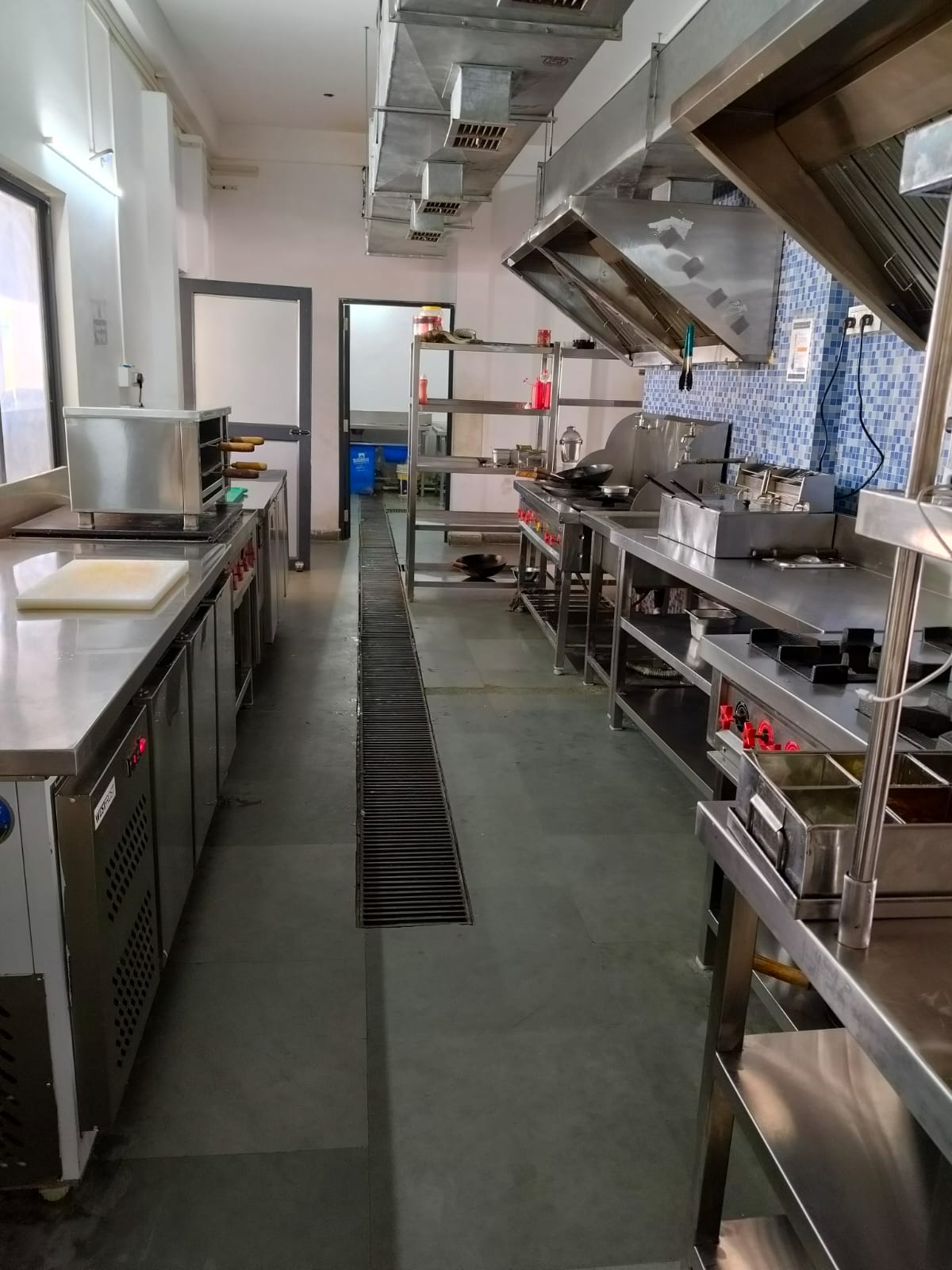
The Fix: Our kitchen design and workflow experts organize equipment following the natural food flow: receiving → storage → preparation → cooking → plating → service. Heat-generating equipment should be grouped with proper ventilation, while cold stations remain separated to maintain temperature integrity. This logical sequencing is essential for restaurant operational excellence.
Mistake #4: Inadequate Storage Solutions
Many new restaurants underestimate storage needs, leading to cluttered workspaces, ingredient disorganization, and inventory management nightmares. When ingredients aren’t easily accessible, preparation times skyrocket.
The Fix: Implement vertical storage solutions, clearly labeled ingredient bins, and a first-in-first-out (FIFO) system. Our restaurant operational framework includes storage audits that ensure everything has a designated, logical location based on usage frequency and preparation workflow.
Mistake #5: Poor Ventilation and Lighting
Inadequate ventilation turns kitchens into unbearable saunas, while poor lighting creates safety hazards and affects food quality assessment.
The Fix: Professional commercial kitchen planning and design prioritizes industrial-grade exhaust systems positioned directly above all heat sources. LED lighting with 500-750 lux illumination ensures staff can work safely and maintain quality control standards throughout long shifts.
Mistake #6: No Consideration for Future Growth
Designing a kitchen for current needs without anticipating growth is shortsighted. As your business expands, you’ll struggle to accommodate increased volume without major renovations.
The Fix: Our restaurant expansion services include scalability planning. We design flexible layouts with modular equipment that can be expanded or reconfigured as your business grows. This forward-thinking approach supports successful franchise business design and multi-outlet expansion.
Mistake #7: Ignoring Staff Input
Many kitchen designs are created without consulting the chefs and cooks who’ll work there daily. This disconnect results in impractical layouts that look good on paper but fail in real-world operations.
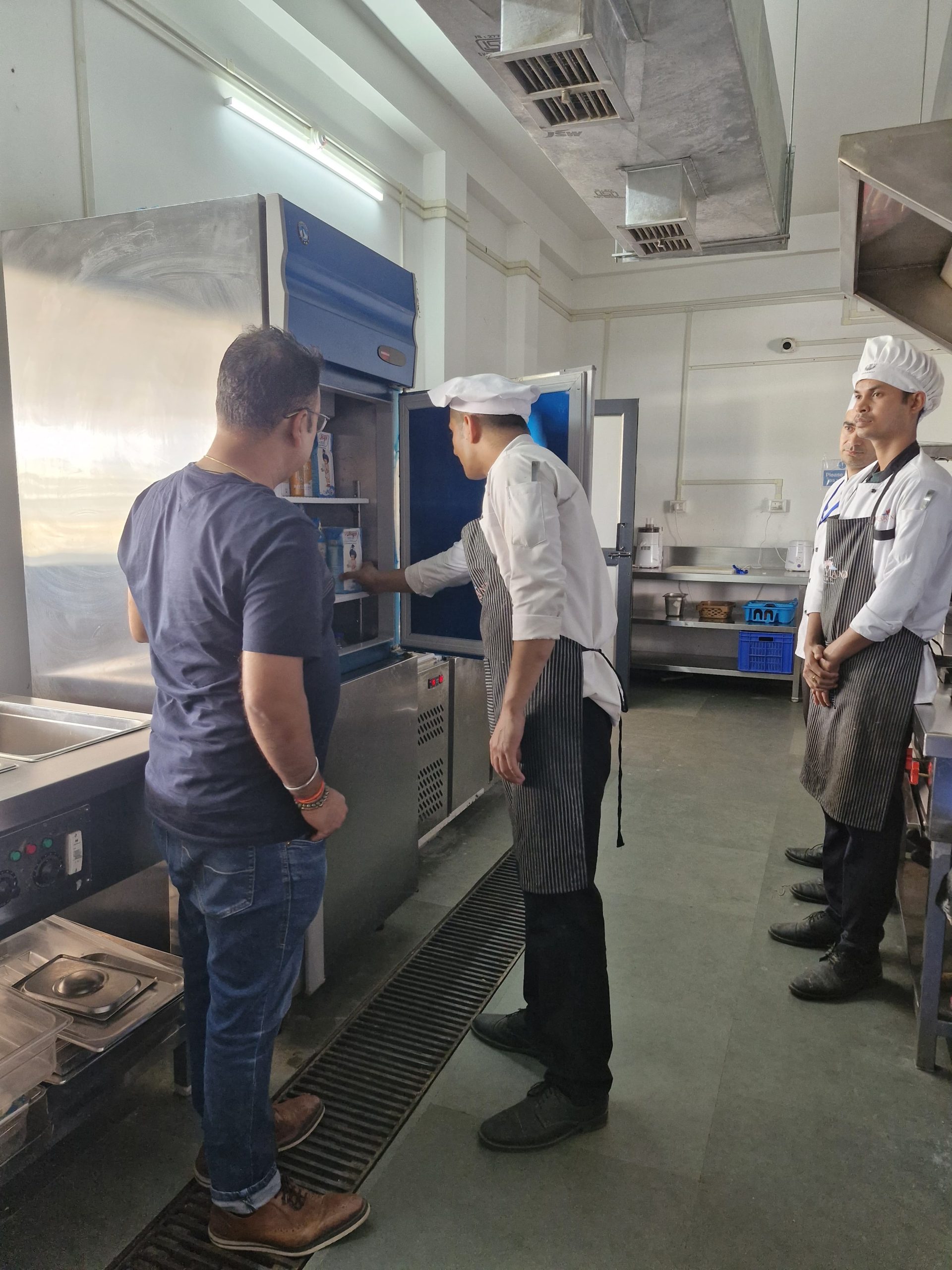
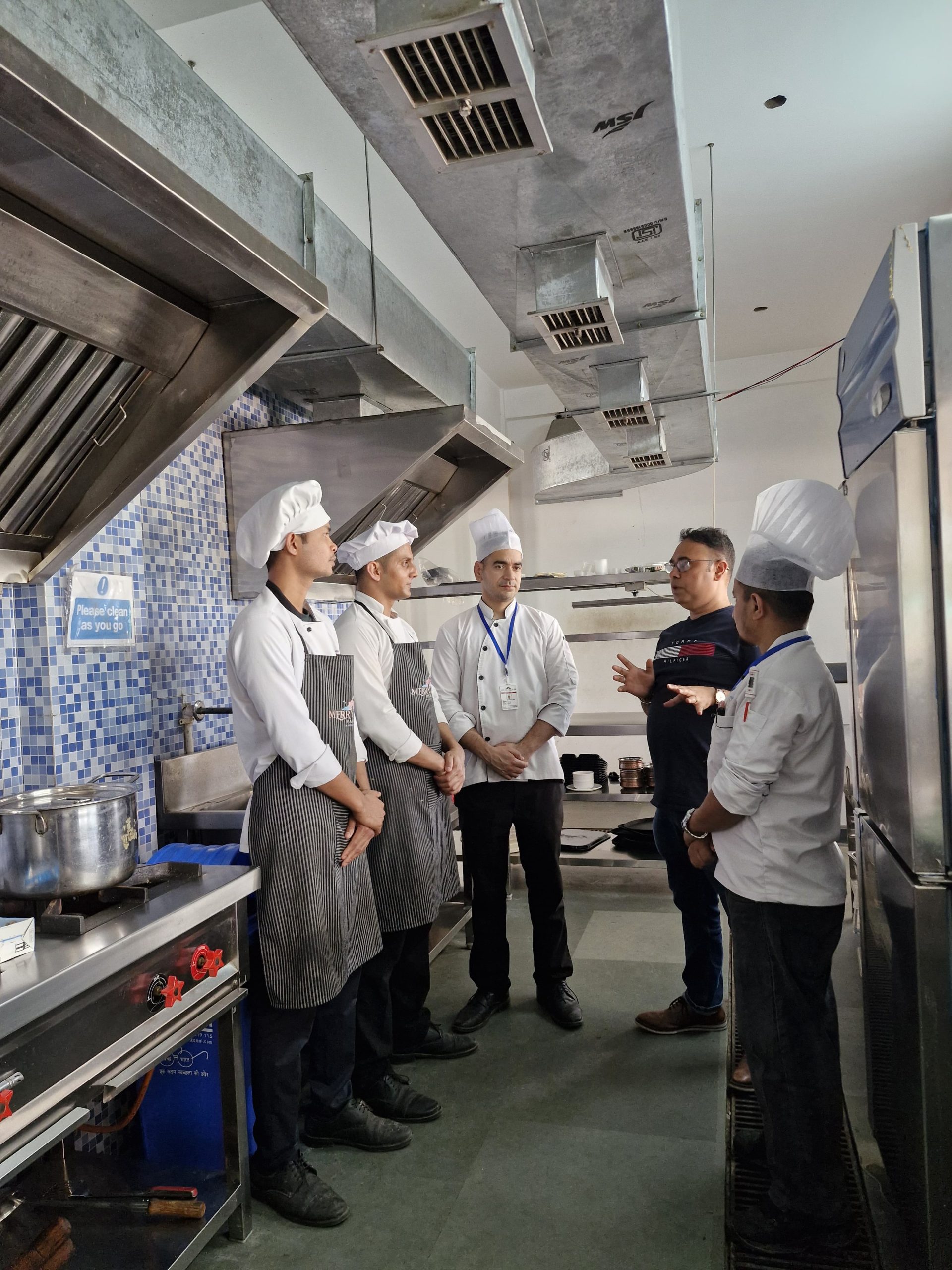
The Fix: Our hospitality consulting process includes collaborative design sessions with kitchen staff. We combine our technical expertise with their operational insights through comprehensive restaurant team training and development, ensuring the final design works for everyone.
The BrandClutch Advantage
Fixing kitchen layout mistakes after construction is exponentially more expensive than getting it right initially. Our Northeast India restaurant consultant team brings regional expertise—understanding local equipment availability, space constraints typical in cities like Guwahati and Imphal, and workflows suited to Northeast Indian cuisine preparation.
Whether you’re launching your first café or implementing restaurant SOP development for an existing kitchen, proper workflow design is non-negotiable for success.
Ready to design a kitchen that enhances efficiency rather than hindering it? Visit Brand Clutch to explore our tailored restaurant consulting packages and kitchen workflow optimization services.
Contact our restaurant consulting agency with proven track record today and build a kitchen that works as hard as your team does.